

As John Lewis Christmas ad lands, how to create a multi-generational PR campaign
Whether it’s John Lewis, M&S or Pringles, brands are increasingly targeting all demographics-at-once with their campaigns. Here’s how to generate publicity with one promotional push spanning gen X to gen Z (and baby boomers too).
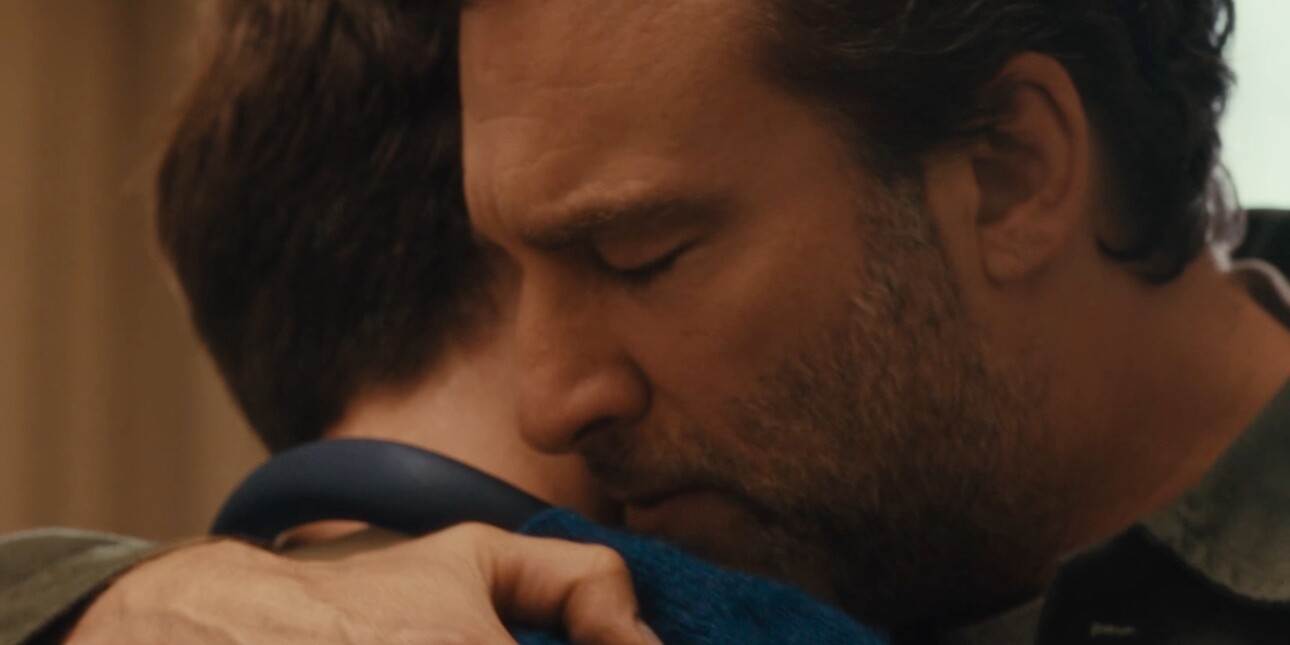
The new John Lewis Christmas advert features a boy gifting his dad a vinyl copy of Alison Limerick’s 1990s’ club classic Where Love Lives. Designed to appeal to both gen X-ers who’ve hung up their clubbing boots and teens (Limerick’s tune morphs into an update by Labrinth), the Saatchi & Saatchi-crafted ad is the latest in a line of campaigns targeting multiple generations in one fell swoop.
This year, Marks & Spencer’s marketing strategy has balanced both TikTok virality (remember this summer’s Strawberry & Crème Sandwich craze?) while keeping older customers sweet with Dawn French-starring ads. Meanwhile, brands with strong 1990s/noughties roots such as Von Dutch and Bacardi Breezer (now just ‘Breezer’) are making comebacks with varying degrees of success.
It’s all happening against the backdrop of Oasis’s sold-out reunion tour, which featured stadiums packed with gen Z-ers warbling to Don’t Look Back in Anger while sporting bucket hats and parkas.

With generational boundaries blurring like never before, here’s how PR teams can benefit …
Seek out common denominators
The first step is to find shared values between the generations – whether it’s family, football or fitness. As shown by the Oasis tour and John Lewis’s ad – along with the recent resurrection of Sophie Ellis-Bextor’s 2001 hit Murder on the Dancefloor – music is one of the strongest unifiers.
“Music can be that beautiful connective tissue,” says James Kirkham, CEO and founder of the Iconic agency. The power of music as a generational glue is that young people consume media differently now. “They were born in generation shuffle and playlist culture where it doesn’t matter if an Oasis song from 20 years ago pops up on Spotify or YouTube. Music’s also less tribal these days. Therefore, [using music for brands] can be a thread that a 50-year-old father and his 15-year-old son like at the same time.”
Segmenting generations by platforms works …
Marks & Spencer has enjoyed great success this year by tapping into the kind of TikTok food trends which gen Z love. M&S has partnered with influencers/creators but some of their limited-edition products such as the Crumbl Cookie and Strawberry & Crème Sandwich (100,000 sold in the first month) have spawned lives of their own on social media. This week the 141-year-old brand joined TikTok Shop to further this connection with younger audiences.
They haven’t neglected traditional media such as TV either – the supermarket’s Christmas food ad stars Dawn French, with a separate clothing/homeware ad featuring White Lotus star Aimee Lou Wood.
… but make sure assets are compatible with ‘dark social’ such as family WhatsApp groups
Dark social media – think private channels such as emails, Slack or WhatsApp and LinkedIn groups – are an increasingly influential (but difficult-to-track) medium for marketers. When it comes to multi-generational campaigns, the holy grail is WhatsApp.
“Many families have shared WhatsApp groups where different generations can have a more fluent, frequent dialogue than they ever did before,” says Kirkham. “People shouldn’t think [boomers/gen Z] are an older demographic who only watch TV: there’s this big middle-ground area with WhatsApp which connects the youngest to the oldest and where assets, memes and videos get sent.”
The problem is PRs can’t access these groups or monitor them for likes or shares. “[Using WhatsApp for campaigns] is never going to be a keynote or PowerPoint for CMOs, because they can’t track it, or show it in metrics,” says Kirkham.
“The key is having assets that travel well within them [dark social apps],” he adds. “If that asset is a piece of music or even a funny gif about an M&S cake, it can connect the dots from the old to the young. Yes, the content needs to be able to be delivered on a phone. But the absolute core is whether it can be heard on a pair of headphones on a bus.”
Embrace analogue
To promote its Christmas ad, John Lewis will be selling a limited-edition vinyl record featuring both the Alison Limerick and Labrinth versions of Where Love Lives (profits will go to John Lewis Partnership’s Building Happier Futures).

The move taps into the growing resurgence of vinyl and cassette tapes, which are also popular with younger demographics. Kirkham views these tangible items as “anchoring points, because if you drop an ad tomorrow it will be gone in 48 hours because of the ceaseless scroll we live in and the algorithmically controlled feeds that update it.”
This summer’s Oasis tour arguably represented a yearning for cross-generational interaction, he adds. “The biggest paradox of our times is that we’ve never been more connected, but more disenfranchised and discombobulated. People are getting sick-to-death of ceaseless scrolling and transient media which passes within seconds. We need to feel again. For brands who tap into this – such as Adidas who sponsored the Oasis tour and therefore sponsored the entire summer – it can be incredibly powerful.”
Blend nostalgia with novelty
Last month Pringles announced it would revive its ‘Once You Pop’ tagline from the 1990s. But there’s a gen Z twist – the new ads would introduce flavours such as dill pickle, which again aligns with the generation’s love for new foodstuffs (hello, Dubai chocolate, matcha lattes and feta pasta).
Resuscitating old taglines and promotions works best when it helps reinvent the narrative/storytelling for new generations says Kirkham. “Bringing back old promotions such as putting a fiver into a bag of crisps taps into memories for older generations, but it also creates a nice story for younger audiences. If I told my teenage son there were once £5 notes in packets of crisps, it would seem like something from mad mythological folklore.”
Avoid retro visuals
“When brands mimic typography, colours and fonts from a certain era, there’s a risk it could come across as ‘Dad at the disco’,” says Kirkham. “Overdoing visuals or wrapping them up in faux-fun can feel cheesy, and will ultimately be filtered out by younger audiences.”
Gen Z are savvy arbiters when it comes to authenticity, which is why retro-heavy campaigns could fall flat. Says Kirkham, “If you’re a cultural tourist or plagiarist, you’ll be smelled out within seconds as a marketeer grabbing a slice of culture just because they think they can.”
Charli XCX’s 2024 Brat Summer campaign is a great example of how to do retro properly. With her Von Dutch trucker hats, hot pants and lime green palette, XCX channelled a Y2K-inspired aesthetic. Yet, thanks to XCX’s self-aware, meta approach to nostalgia, it seemed fresh for younger audiences. For millennials, it evoked their hedonistic, pre-digital adolescences. (Sixtysomethings Kamala Harris and Kyle MacLachlan were fans too).
Don’t try to radically overhaul heritage brands for younger audiences …
As evinced by Jaguar Land Rover’s ‘brand reimagining’ last year – think Elon Musk-and-Trump-riling adverts showing models in brightly-coloured clothing – heritage brands should tread carefully when trying to be relevant for younger audiences.
“The reaction [to the ad] said more about the state of the world – LinkedIn culture, cancel culture – than it did about the campaign itself,” says Kirkham. “People were losing their minds on LinkedIn by writing diatribes because they felt Jaguar Land Rover was sacred and it shouldn’t be touched.”

“Always respect the origins of a brand, find out about its heritage and subtly reapply any language or typography,” he adds. “You can find the ‘feels’ of what this brand meant at the time, and then resurface those for a new audience. I’d be wary of going any further.”
… but it’s okay to let collabs and influencers reinvent heritage brands on your behalf
Storytelling in luxury has traditionally centred around either the designer – think Yves Saint Laurent or Tom Ford – or the brand’s craftsmanship.
Social media has changed that game. Today, influencers from every generation are putting their own spin on these brands, reinventing them in a kaleidoscope of new ways. Whether it’s the Instagram posts of 70-year-old Miu Miu fan Dr Qin Huilan’s social posts or the satirical feeds of Gstaad Guy and the European Kid, heritage brands have stayed visible across a wider spectrum of pan-generational voices. Luxury brands are also becoming more comfortable with employees posting content too, such as store assistants sharing ‘day-in-the-life’ videos or even Fenty Beauty’s IT team discussing makeup on TikTok.
Savvy partnerships and collabs work well too. “In the old days, luxury was out-of-reach and unattainable and kept at arm’s length,” says Kirkham. “But now you get LVMH sponsoring the Olympics, Pharrell working with Louis Vuitton, or Burberry x Minecraft. It’s a very different space that works well with all generations.”
Christian Koch is an award-winning journalist and editor who has written for the Sunday Times, Guardian, Evening Standard, Metro, Director, Cosmopolitan, ShortList and Stylist.
Read more PR campaign insights
The award-winning PR campaign helping GPs better serve veterans
How surf wear brand Finisterre maximised PR impact by changing how women surfers are portrayed
Boots Hearingcare 'Do it for them' - inside the PR campaign with TV's Mark Wright and his dad
.png&w=728&h=90&maxW=&maxH=&zc=1)

