

What crisis communicators can learn from the West Midlands police Macabi fan ban row
The question that PR professionals and leaders must ask themselves, can you defend your decision making if it's subject to public scrutiny?
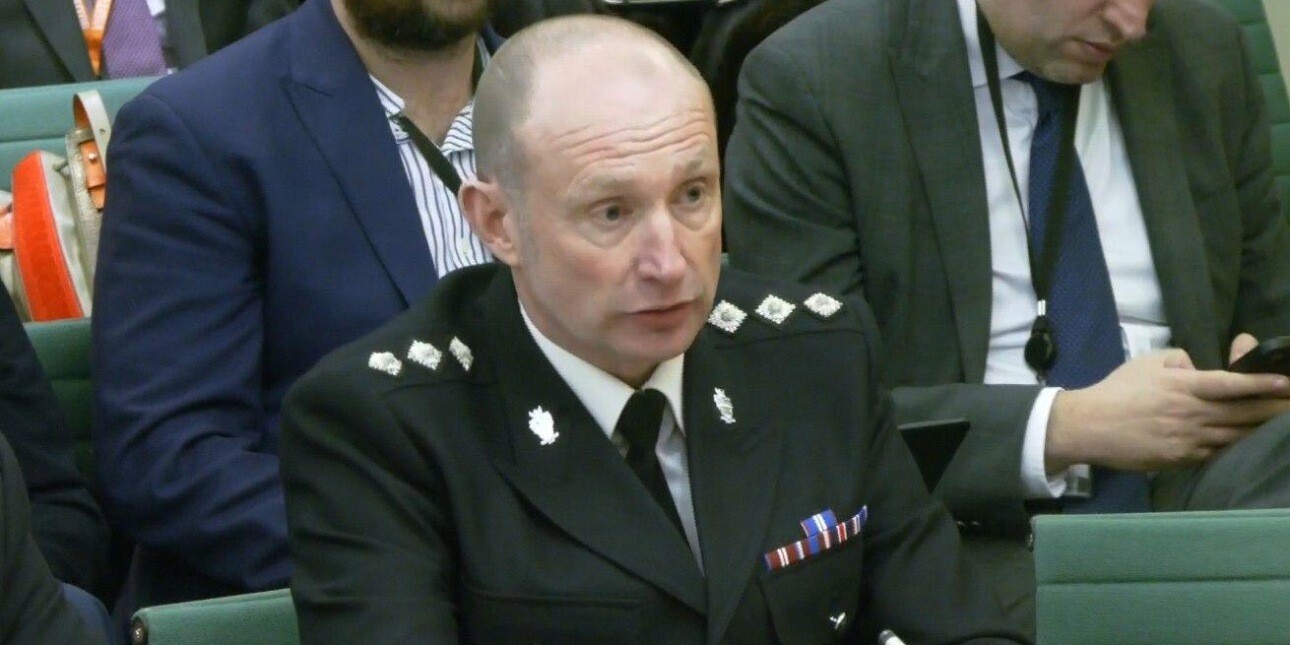
This week got me thinking. With the news around West Midlands police’s use of AI as part of the material gathered to explain why Maccabi Tel Aviv fans were banned from a match against Aston Villa in November.
At the time of writing, chief constable Craig Guildford has retired, citing a ‘political and media frenzy’ around his position, which he said had become "detrimental" to the work of his officers and staff.
Simon Foster, the West Midlands police and crime commissioner (PCC), has come under fire for allowing him to retire rather than sacking him.
From a crisis communications perspective, and as a former PCC head of comms in West Yorkshire, I found this whole story interesting for several reasons. A political and media frenzy I think means relentless scrutiny from individuals who have the power to challenge and test your decision making.
Despite our views of politics and the media, we are very lucky to be in a society where they can and do challenge public bodies on our behalf.
Test and challenge from a public perspective
I used to always tell the PCC, whatever decisions you make, you have to be able to defend them if needed in the court of public opinion. If you can’t, why are you making them? And you have to act fast, be visible as soon as possible, not shy away from the difficult stories, and be honest and authentic.
I would provide the test and challenge from a public perspective, so when we received the usually inevitable press queries, around a contentious decision or story, the reasoning could be outlined or explained.
Without knowing the decision making around what happened and when in West Midlands, I do know that you must know the political landscape you are operating in, and how that could impact your decision making from all angles. This is more important than it has ever been, do not think politics doesn’t apply to you or your organisation, it really does. Always consider it.
That’s why stakeholder engagement and consultation with key audiences who may be affected by your decision is so important. As is being able to easily evidence and explain your decision making or having clear tangible reasons as to why you can’t talk through it in detail. That’s as true for the police as it is for any organisation.
Communications at the top table
Playing devil’s advocate and stretching and challenging decision making and having communications at the top table is vital. They can give you perspectives and opinions that you may not have thought of. They understand audiences and how things are perceived, which is why they are so important.
But they must be listened to. And if you have done all that, and a story breaks and gathers pace like this one has, you must act fast. I am unsure the influence the communications team has at West Midlands police, but your communications people have valuable insights so you must use them and value their opinions. They know what they are talking about. Despite popular misconceptions, not ‘everyone’ can do communications.
Information vacuums happen and once they open up in this relentless world that operates at breakneck speed, it is so difficult to change course. Act fast, be honest, open, and factual. Sounds like common sense, but it isn’t always that common.
Say what you are doing and why you are doing it and when you can release more information. If an apology is needed, apologise. Know that if you are operating in the public sphere, you must consult with your stakeholders and engage with key people. I cannot stress that enough and it has become apparent that didn’t happen with this story.
And if you are the person holding the force to account, be visible and be visible quickly with something meaningful to say, and if you can’t, can a non-reportable briefing be held? If it can’t, be visible, otherwise there is a danger you look weak or lack authority.
Democracy, politics and investigative journalism
If politics is an obvious part of the picture, then anticipate what might be said and by which politician, or group, and how things might be challenged, ensuring your reasoning and decision making is as watertight as it can be. Because if it isn’t, an investigative journalist or a politician with a different agenda, can and will uncover gaps, inconsistencies, or issues and share them with the public. That is what living in a democracy means and we should all value that and treat it as the absolute privilege it is.
We operate in a democracy and we police by consent. The PCC who holds the chief constable to account is elected and accountable to the public that voted for him.
So trust and confidence in them both is vital. Policing communities depends on that. I remind anyone I advise at any time now I am a consultant, if your decisions can’t stand up to public scrutiny, why are you making them? That applies to whatever the size of your organisation, and whichever sector. How does it look and how will it be perceived if it is made public? Then think again.
If you can’t defend it, why on earth are you making it? Are the arguments for doing it anyway robust enough? If so, fine. But make sure you have stretched, tested and challenged your decision making from all angles and held it up to the light so it can be explained later if need be.
Misinformation in today's world
In an online world, with AI, misinformation, disinformation, an insatiable appetite for breaking news, and a really fragmented political landscape, and numerous agendas, trust and authenticity will always cut through. They are non-negotiables for any public service.
At risk of repeating myself, a free media and elected politicians serving the public for the greater good are essential in a functioning healthy democracy. If any decisions you are making can be picked apart by them leading to a reputational or organisational crisis, you must ask yourself why are you making them?
Because the fallout can and will be huge. West Midlands police will be used as a case study for many years to come I am sure around policing, communications and the use of AI, and how to manage politicians and engage stakeholders. There will be so much learning that comes out of it, but all organisations should take note.
If one day you may be asked to explain your decision making publicly, make sure you can because you considered everything and challenged yourselves in advance.

Dee Cowburn is director of Dee Cowburn Communications, a communications consultancy specialising in crisis communications and media relations for private, public sector and charities. With two decades of experience in high-risk political environments, she was previously head of communications in policing and crime for the mayor for West Yorkshire and a former investigative journalist.