

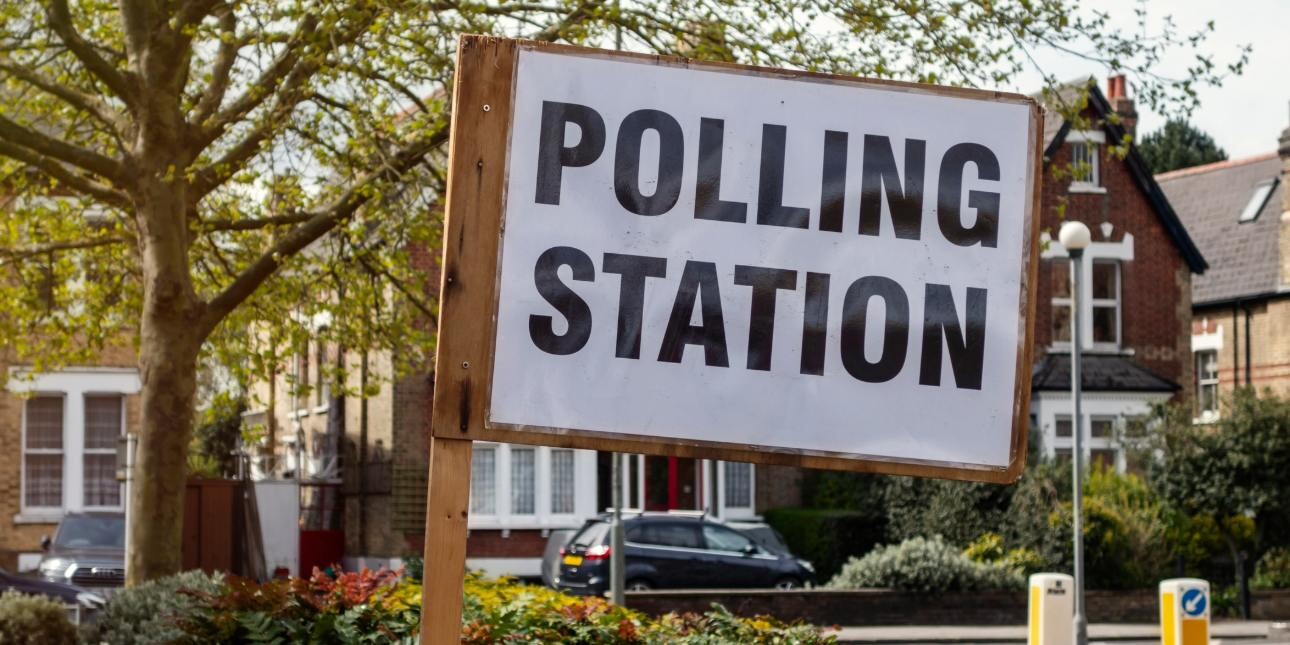
The pre-election period: 10 things every public sector communicator needs to know
Elections to the Scottish parliament, Welsh Senedd and some councils in England take place in May. Public sector communication doesn’t stop but it requires a careful balance.
The pre-election period is one of the most scrutinised and often misunderstood phases in public sector communications. For communications professionals working across the NHS, local government, emergency services and wider public bodies, it requires a careful balance between continuing to inform the public and maintaining strict political impartiality.
At its heart, the pre-election period is not about stopping communications. It is about protecting public trust in democratic institutions by ensuring publicly funded communications are not used to influence electoral outcomes.
As communications professionals bound by the CIPR Code of Conduct and the civil service principles of impartiality and integrity, our role becomes even more critical during this time.
Here are 10 essential things every public sector communicator should understand.
1. The pre-election period is about neutrality, not silence
One of the most persistent myths is that communications must stop entirely. This is incorrect.
Public bodies still have a duty to provide essential information. Patients still need to know how to access services. Residents still need updates on road closures, public health risks or service changes.
The key test is intent and tone. Communications must be factual, necessary and service-focused, not promotional or politically advantageous.
Ask yourself: does this help the public access services or stay safe? Or does it promote organisational achievements or leadership?
2. The purpose is to protect public trust, not limit transparency
The pre-election period exists to ensure publicly funded communications cannot be used to influence voters.
This protects:
- The integrity of democratic processes
- The reputation of public institutions
- The professional credibility of communicators
Handled correctly, it reinforces public confidence that communications are impartial, objective and focused on public benefit.
Handled poorly, it risks reputational damage, political challenge and loss of trust.
3. Business-as-usual communications can and should continue
Essential communications should continue, including:
- Service changes affecting the public
- Public health messaging
- Safety communications
- Recruitment advertising
- Statutory notices
Stopping essential communications can itself cause harm, confusion or risk.
Communicators should avoid creating unnecessary operational disruption out of caution.
4. Avoid anything that could be perceived as political promotion
Perception matters as much as intent.
Communications that may present risks include:
- Announcing new major initiatives without operational necessity
- Promoting organisational achievements
- Highlighting leadership success stories
- Publishing case studies that could be interpreted as endorsement of policy
Even routine content may need to be paused or reviewed if the tone could appear celebratory or promotional.
The safest approach is to prioritise neutral, factual and necessary communications.
5. Leadership visibility requires careful consideration
Senior leaders remain accountable and operationally responsible during the pre-election period. However, their visibility in communications requires careful handling.
Consider whether including quotes, photographs or media appearances is essential.
Focus on operational leadership rather than organisational promotion.
Communicators should provide clear professional advice to senior leaders about risks and appropriate approaches.
This is where professional courage and judgement are essential.
6. Social media requires heightened vigilance
Social media presents risks due to its speed, reach and tone.
Public sector organisational accounts should continue to provide essential service information, but avoid:
- Celebratory messaging
- Campaign launches not operationally necessary
- Political commentary or content open to interpretation
Personal accounts of staff also require awareness. While individuals retain personal freedoms, they must remain mindful of organisational policies and professional responsibilities.
Communicators play a vital role in advising and guiding colleagues.
7. Existing campaigns may need to be paused, adapted or reframed
Not all campaigns need to stop, but they should be reviewed carefully.
Campaigns focused on behaviour change, health promotion or safety can often continue if they are clearly in the public interest and politically neutral.
However, campaigns that highlight organisational success or policy impact may need to pause.
Planning ahead makes this easier. Building flexibility into campaign timelines is good professional practice.
8. Professional judgement is more important than rigid rules
There is rarely a definitive list of permitted and prohibited communications.
Instead, communicators must apply professional judgement guided by principles, including:
- Impartiality
- Transparency
- Proportionality
- Public interest
If a communication could reasonably be interpreted as influencing voters, it should be reconsidered.
If it is essential for public awareness, safety or access to services, it is likely appropriate.
Documenting decisions and rationale is good governance practice.
9. Communicators are organisational guardians of impartiality
During the pre-election period, communications professionals play a crucial role as trusted advisers.
This includes:
- Advising senior leaders
- Providing clear guidance to colleagues
- Reviewing planned communications
- Supporting organisational compliance
This responsibility reflects the strategic importance of the communications profession.
It also demonstrates the value of professional standards such as those set by the CIPR.
10. Preparation is the most effective protection
The most effective organisations prepare in advance.
This includes:
- Creating clear internal guidance
- Reviewing planned campaigns and announcements
- Briefing senior leaders and teams
- Establishing approval processes
- Providing training and advice
Preparation reduces risk, builds confidence and ensures communications can continue appropriately.
It also empowers communicators to provide clear, confident professional advice.
From compliance to leadership: the communicator’s responsibility
The pre-election period is often when the true strategic value of communications professionals becomes most apparent.
This is the point where our role shifts from delivery into advice. Colleagues across the organisation look to communications for clarity and reassurance. Senior leaders want to understand what is appropriate. Operational teams need to continue delivering services without inadvertently creating risk. There is a collective need for confidence that the organisation can continue to communicate effectively while maintaining political impartiality.
This places communications professionals in a position of real responsibility.
It requires us to interpret guidance, apply professional judgement and provide clear, balanced advice. There is rarely a definitive checklist. Instead, we are asked to navigate nuance, assess risk and help colleagues understand not just what they can do, but what they should do. Providing that clarity is essential in maintaining both organisational confidence and public trust.
This is also where the ethical foundations of our profession move from principle into practice. The CIPR Code of Conduct becomes a practical framework for decision-making, guiding how we uphold integrity, fairness and impartiality in real time.
From my experience working within the NHS, the pre-election period reinforces that communications is not simply a delivery function. It is a governance function. It plays a vital role in protecting organisational credibility and ensuring communications remain focused on supporting patients, staff and the public, rather than promoting the organisation itself.
Handled well, the pre-election period does more than manage risk. It strengthens the credibility of the organisation and reinforces the value of professional communications.
A moment that highlights the professionalism of public sector communicators
The pre-election period is not about stopping communications. It is about ensuring communications remain focused on their core purpose: serving the public.
Public sector communicators play a critical role in enabling organisations to continue providing important information, while safeguarding political impartiality.
This requires judgement, confidence and professionalism. It is not always straightforward, and there are often competing pressures and expectations to navigate.
But it is in these moments that the true value of our profession is most visible.
Communications is not simply about channels, content or campaigns. It is about stewardship. It is about protecting trust, upholding standards and ensuring public communications remain credible, impartial and focused on those we serve.
That is both our responsibility and our privilege as public sector communicators.

James Sharp is a chartered PR professional and senior communications manager for the NHS. He is also a CIPR Council member.
Further reading
Has PR industry failed to execute its own PR effectively enough?