

PR professional going to Europe? EES becomes fully operational from 10 April
Heading to Europe on business? Be prepared for another round of checks as the Entry/Exit System beds in.
Business travellers flying into Europe could face longer passport queues this spring as the EU rolls out a new digital border system across the Schengen area.
The Entry/Exit System (EES) replaces passport stamping with a digital record of travellers entering and leaving participating European countries.
Although the system began rolling out last October, it becomes fully operational at all external border crossings from 10 April 2026.
The change affects non-EU nationals travelling for short stays, including visitors from the UK, US, Canada and Australia who don’t need visas for trips of up to 90 days.
Instead of stamping passports, border officials will log travellers digitally. The system records:
Passport and travel document details.
Entry and exit dates.
Biometric data, including facial image and fingerprints.
According to the EU, the system is designed to modernise border controls and tighten security, while “gradually improving the experience for travellers.”
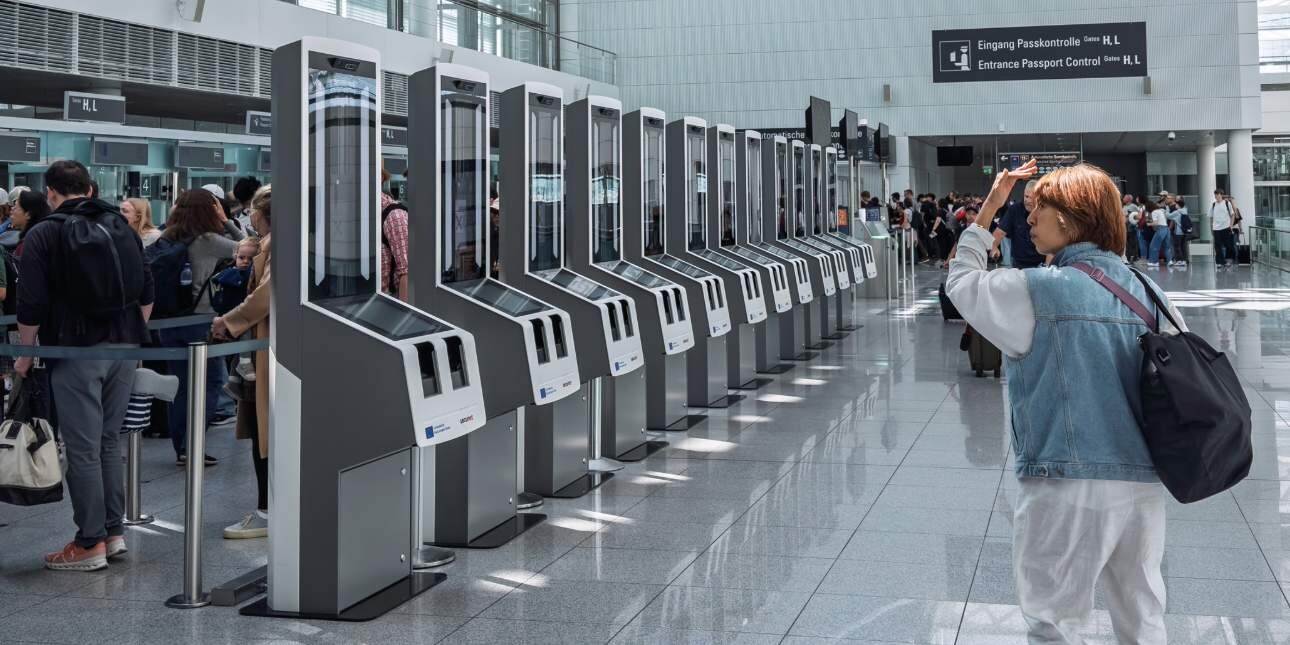
For many travellers – especially those flying frequently for work – the biggest difference will be on their first trip under the system – and some airports are said to be introducing self-service registration points to ease traffic.
Will EES cause delays?
But according to Vykintas Maknickas, CEO of travel connectivity company Saily: “the early days of the rollout could bring delays, especially at busy hubs such as Paris, Rome, Barcelona and Amsterdam.”
EU authorities say the database will help identify people “who have stayed for longer than permitted (overstayers)” and those “using fake identities or passports.”
The system is also intended to improve security and help authorities combat terrorism and organised crime.
But critics say launching it just as spring travel ramps up could make things trickier. April marks the start of Europe’s busy travel season, with Easter breaks and spring city trips pushing up passenger numbers. And added processing time at passport control could quickly build queues at major hubs.
Added Maknickas: “Whenever a new airport system launches, there’s a natural bedding-in phase. Travellers flying into Europe for work should allow extra time at arrival and be prepared for slightly slower border checks, particularly if it’s their first visit under the new system.”
His advice is to:
Allow extra time when landing in Europe.
Have passports ready at border control.
Follow airport signs for EES biometric lanes.
Keep mobile connectivity for travel updates.
Once registered, future trips should become quicker as travellers’ biometric details will already be stored in the system.