

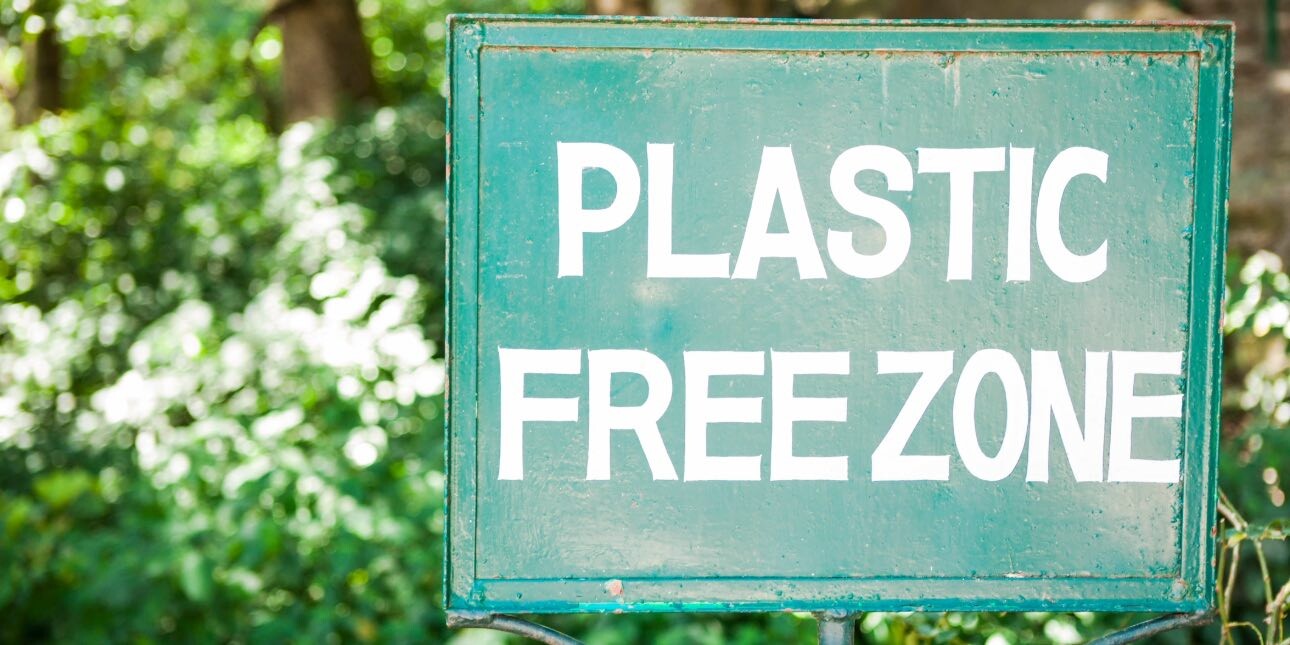
Five ways to go plastic free this Plastic Free July
It's Plastic Free July and we can all play our part. Here are five ways to make the change.
“To think of all the marvellous ways / They’re using plastics nowadays…” So sang one of the godfathers of modern American satire, the late, great Tom Lehrer, who was clearly ambivalent about the stuff. And that was in 1959. (Yes, even back then, folks were being sarcastic about plastic.)
Since then, many more of us have learned what terrible harm this convenient, insidious material, first invented in 1862, is wreaking: to the environment, the oceans and its creatures, the wider eco-system – and to our bodies. Let’s not even get started on microplastics, tiny particles that can stay in our systems for years and have been linked to everything from organ damage to reproductive issues and cancers.
In 2019 Free The Ocean launched the annual International Plastic Free Day held every 25 May, “to give anyone, anywhere, the opportunity to have an impact on plastic pollution.” Here are five simple changes everyone can make to reduce single-use plastic consumption – even if just for one day.
1. Reusable water bottles
It’s not the 1980s anymore – and there’s no need to add to the landfill mountain, where plastic water bottles can take up to 1,000 years to fully decompose. There are now plenty of non-plastic, stainless steel water bottles available, from the Hydro Flask to the much-loved Chilly’s bottles, handily designed to keep water cold for 24 hours – or hot for twelve.
2. Cloth shopping bags
In October 2015, UK supermarkets attempted to significantly curtail plastic bag use by popping a 5p tax on them. This correspondent well remembers the sight of stubborn shoppers staggering down the street with a virtual shopping trolley-worth of groceries in their arms, determined to cheat the system. But it worked: there was a 98% reduction in single-use plastic bag usage; and ever since, the average shopper now purchases just two plastic bags a year – down from around 140 in 2014. But really, the best ‘Bags for Life’ are cloth ones – cotton or canvas, able to hold loads more weight without splitting.
3. Glass containers
When it comes to kitchen storage, glass containers have several benefits over the plastic kind. They’re more durable (unless you drop them), can withstand heat, look nicer, frankly – and, more importantly, don’t leach toxic chemicals such as Bisphenol A and phthalates into your lunch.
4. Bamboo
Not just for pandas. This miraculous stuff, requiring minimal pesticides or fertilizers, is tough, biodegradable and incredibly renewable – growing up to 91 centimetres per day. Like plastic, it can also be moulded and shaped into all sorts of things, from cups and cutlery to toothbrushes and drinking straws.
5. Compostable bags
Made from renewable, plant-based materials such as corn starch or vegetable oils, which are naturally decomposed by microbes, they’re great as pet waste baggies (many are leak-proof and scented too) or for the garden – allowing organic waste to be returned to the soil. Circle of life and all that.
Find out more about International Plastic Free Day

Ali Catterall is an award-winning writer, journalist and filmmaker whose writing has featured in the Guardian, Time Out, GQ, Film4, Word magazine and the Big Issue, among many others. Ali is also the writer and director of the 2023 film Scala!!!
Further reading
Saving the planet is 'a communications challenge'
Moving beyond superficial ESG and accelerating to a sustainable future