

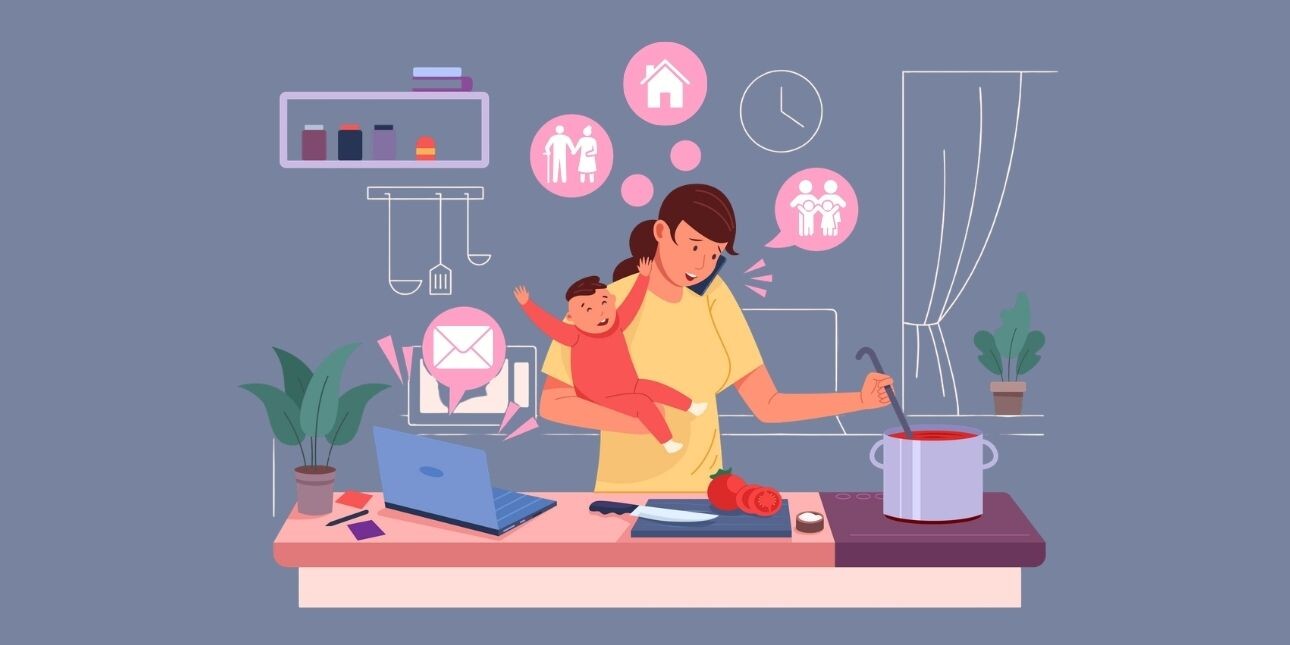
Carers are an invisible workforce within the workforce
Why everyone in comms – all ages, genders, backgrounds and regions – are urged to take part in a new survey to shape the sector’s future.
Caring is usually a term that is confined to healthcare caring for elderly or disabled individuals, but this summer Women in PR is reframing the narrative on caring as a broad brush term encompassing anyone who “cares” - parents of all kinds, guardians, caring for those who are elderly, disabled, neurodiverse - so that we can illustrate the true impact of carrying a demanding day job and an equally demanding role you never clock off from.
- We know that caring disproportionately impacts women and that we have more women than men in the PR and comms industry – this represents a bigger issue for us than other industries.
- We know there is a link between caring and career advancement in our industry and there are statistics out there that demonstrate the impact of maternity and caring leave on women and leadership opportunity.
- We know that PR is impacted more than some industries due to the deadline-driven nature of the work, the client-facing dynamic, comms being a touchpoint for every part of a business and therefore demanding greater visibility and the necessity of networking and selling (often at unsociable hours).
You add to this therapy appointments, hospital corridors, making packed lunches, remembering homework, collecting prescriptions, school pickups, a constant rotation of bedding and clothing, and these are all part of the lived reality that carers juggle around work every day.
Caring while holding down a PR career
The barriers to advancing in a career in PR while caring are structural and engrained; people are expected to perform resilience without meaningful structural support; the conformity of workplace hours don't naturally co-exist with school hours and medical options; we uphold rituals that immediately disadvantage carers.
The truth is that the reality of caring while holding down a career in PR is hard and messy for women and their ambition is quietly taxed. The school calling mid pitch. Burnout that shows up in ways we are not proud of. Choosing between a promotion and a care meeting. The constant guilt of not doing enough anywhere.
And for men, stigma exists because care work is feminised and devalued, and when men are penalised for caring it exposes how little we value care overall.
The impact on women in leadership positions
This summer, Women in PR is delving into the messiness to take a closer look at the barriers that exist, not just for parents, but all carers, including those caring for partners, elders, siblings and chosen family. Not just those with resources, but single parents, lower-income carers and those without backup. We will explore what designing for carers looks like in practice, how we can build workplaces that promote flexibility, and resource that aids resilience.
We know that caring is one of the biggest reasons we lose many women in the industry and it's an issue that directly impacts the number of women in leadership positions.
Our ultimate aim is to make the invisible workforce visible and to reframe the value of caring. But to do that we need your help.
We are inviting all people in comms – all ages, genders, backgrounds, regions – to take part in our survey so that we can assess the true lay of the land. It is only by reviewing the sector's lived experiences that we can really identify the barriers and create meaningful change for the future. The survey takes just a few minutes to complete.
If you have a story to share about your own caring experiences, we'd love to hear from you at info@womeninpr.org.uk.
Women in PR is an organisation whose mission is to improve equality and diversity across the industry by increasing the number and diversity of women in leadership roles.