


Communications plans that ignore AI risk losing the story – not least in a crisis
Comms leader Tony Garner spoke to the PR and GEO expert Stuart Bruce about the impact AI has on strategy and why a tactical silence in a crisis may no longer be possible.
Stuart Bruce, joint CEO of Purposeful Relations, has spent the last two years arguing that we should not merely think of AI as a content tool for communicators.
Speaking to me on the PR in the Real World podcast, Bruce said AI is now a middleman, capable of shaping what audiences believe about organisations. That makes it a stakeholder in its own right and, this means comms and crisis plans must think about the sources and narratives AI systems will surface.
Think about it. This has huge implications for strategic comms planning. Do you know what AI is saying about your brand?
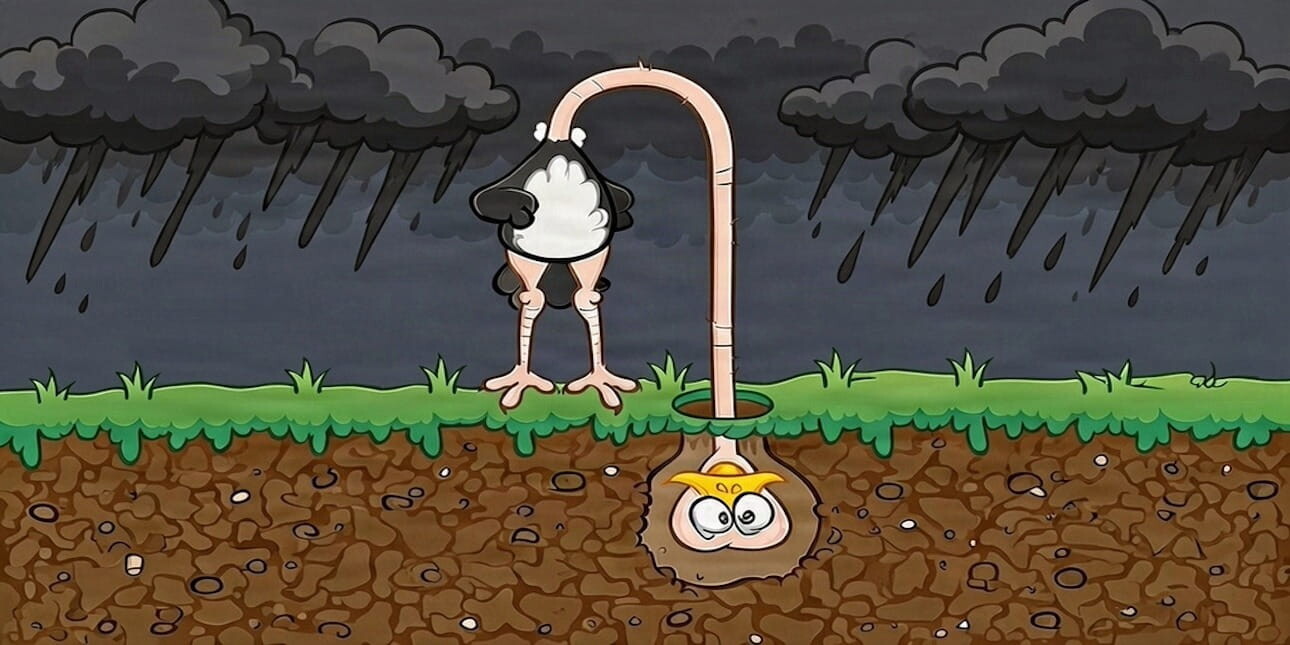
In a crisis, what would have been a good idea – a tactical silence – may not work because it leaves the field wide open to AI systems to build their account from whichever sources are available. And if you have cleared out of the way those sources may belong almost entirely to the other side.
When silence lost the story
Bruce gave this example: a university was in an industrial dispute with a trade union and decided to take the traditional approach of battening down the hatches and letting the dispute run its course. The union did the opposite. It wrote a clear statement, sent it to journalists far and wide and put it on its website.
When Bruce's team checked what AI systems were saying about the dispute, they found one citation quoting the university. The union had eight, across a range of sources, including earned coverage neither side could fairly call biased. The AI's account of the dispute was almost entirely based on the union’s narrative.
Bruce says examples like this are common and communicators need to treat AI as an intermediary with a place on the stakeholder map. Whether we like it or not, AI systems gather information from available sources and turn it into answers, and these are shaping what people believe about an organisation, just as journalists and politicians have traditionally done.
No reasoning with AI
Google once called itself the world's biggest reputation management engine. Well move over Google, because Bruce says AI has now taken on that role, but under a different set of rules.
For one thing, you cannot reason with an AI system. If a news story contains an error, a phone call to the editor may correct it. You can’t just get Claude on the phone. So, an AI system's account only changes when the information available to it changes. And there is limited evidence about how quickly that might happen – days, weeks, months, never!
This kind of unpredictability is being discovered in other ways. Bruce cites a global trade body working in the maritime sector, whose media team had a clear sense of which publications mattered. As you’d expect, their media list contained all the bible publications.
TradeWinds, the sector's leader, was at the top of their list. However, when Bruce ran an audit it didn't appear anywhere in the top 10 sources AI systems were citing. In fact, compared to the client's own top 10 trade titles, only three matched the top ten AI was actually drawing its information from.
The same client saw a similar split between AI systems. Their own website was the single most-cited source for one mainstream model. For another, it didn't make the top five. The first model was ChatGPT. The second was Gemini! (How each system works is shrouded in secrecy, but AI citations reflect how each discovers information across the digital landscape.)
Nobody actually knows this … yet
There is a growing body of material appearing about GEO, AI audits and a plethora of tools out there designed to help you make sense of what is being said. But there is a fundamental issue. Large language models don't publish the prompts people use or the answers given back. And another thing — the results you do get can shift over time in ways nobody outside those companies can fully explain.
That’s not to say you should give up. Bruce firmly believes – and I concur – that an AI audit should be the starting point for any organisation looking to understand what AI tools are saying about them. Then repeating the run months later to see what has changed.
In short, you need to gain a broader understanding of how AI systems gather, weigh and present information. The message is clear, treat AI as a stakeholder in every comms plan because it is already in the mix. If you don’t know what it is saying about you, isn’t it about time you found out.
Snapshot
So, in a land of uncertainty, here is what Bruce believes LLMs are actually looking for:
1 Recency: How recent the information is.
2 Relevance: How relevant it is to the specific question being asked
3 Credibility: How credible the source and the person behind it appear to be.
Tony Garner is the managing director of Viva PR, which is a corporate affiliate member of the CIPR.
Find out more about a CIPR corporate affiliate membership
Strengthen your reputation and invest in your team’s success. Join as a CIPR Corporate Affiliate member - open to groups of five or more.