


Is reality TV the new PR platform?
Authenticity extends beyond how a contestant looks to viewers watching TV, it requires ongoing audience engagement after the cameras stop rolling.
Reality TV has become standard TV viewing and has, over the past few years, evolved into a powerful springboard for PR and personal branding. Competitive reality programmes like Love Island, I’m a Celebrity … Get Me Out of Here!, Celebrity Traitors and Dragons’ Den have increasingly become platforms where contestants are under intense scrutiny.
A remarkable 11.1 million people tuned in to watch the final episode of Celebrity Traitors on the BBC in the UK this year – that’s roughly one in six people in the country and the biggest live audience of the year for a single TV show.
Whether a person is shrouded by a black hood in the turret, pitching a big idea in the ‘Den’, or vying for attention under the Mallorca sun, they have a unique and tangible shot at defining their public image: And, with social media acting as a live sentiment measurement tool, they get near immediate feedback where viewers are judging every word, action and reaction to determine: Are they the person they seem to be, or are they simply “playing the game”?
Spotlight on high-stakes formats
Shows like Dragons’ Den and The Apprentice occupy a unique space, with real people (not always polished) exposing their ambitions and vulnerabilities to formidable critics.
Whether they’re sitting in front of Lord Alan Sugar or Deborah Meaden, contestants have poured years into their idea and are putting themselves up for the world to critique in the hopes of securing some investment or mentorship. At times participants are torn to shreds at the drop of a hat, with no filter.
Audiences get to see how contestants handle the heat when the camera and pressure is on, and this unpredictability is the hook for these formats: it could go either way. When it goes right it is an extraordinary platform to boost your business.
Take Lydia and Amelia Miller of Ivee, whose appearance on Dragons’ Den went viral. Their success underscores how preparation, self-awareness, and a clear brand message can produce lasting impact beyond the screen, propelling a business into the national spotlight. Similarly, Leah Totton, a previous winner of The Apprentice, has translated reality TV fame into a flourishing chain of clinics, recently named the UK’s most trusted clinics and valued at over £7m as of September 2024.
Authenticity is the new currency
The success of reality TV is often rooted in the authenticity of the participants, which serves as a powerful tool in shaping public perception. The recent series of I’m a Celebrity … Get Me Out of Here is no exception, with the bromance between real-life friends Aitch and Angry Ginge winning the hearts of millions of viewers across the UK.
Equally, the recent success of Celebrity Traitors illustrates how perceived authenticity on reality TV can serve as powerful PR, enabling celebrities to reshape and elevate their careers in meaningful ways.
Cat Burns, previously known primarily in music circles, openly shared her experiences on the autism spectrum, earning new fans with a humble and genuine presence. Her authentic storytelling challenged typical celebrity narratives and expanded her reach, prompting questions about whether, without such exposure, she would have earned a spot on primetime TV show Strictly Come Dancing.
It’s the same story with Love Island alumni such as Molly-Mae Hague or the endearing, and slightly sunburnt, Dr Alex. What pulled people in wasn’t just the glamour or drama, but their openness, and that feeling that what you saw was genuinely them. This sincerity builds real connections with viewers, enabling them to build loyal followings and diverse careers following the show. Putting themselves out there created the next step.

Molly-Mae used the connections created by her authenticity to build a diversified empire, spanning YouTube, a successful clothing line, and her own television show, demonstrating how personal transparency can translate into commercial success. Similarly, Dr. Alex’s evolution into a respected figure in wellness, sobriety and mental health advocacy exemplifies how this authenticity can be built upon into lasting influence and credibility. In today’s marketplace for attention, genuine, authentic storytelling is increasingly central to sustaining public engagement.
Authenticity extends beyond how you look to the audience on TV and it requires ongoing audience engagement after the cameras stop rolling. Social media is buzzing with clips from these shows, with throwback content, behind-the-scenes insights and memes taking over users’ feeds. Other things resurface too, such as old interviews of Joe Marler, Alan Carr comedy routines and Cat Burns' performances. They all get new energy, whipping up more interest, re-engaging audiences and reinforcing emotional connections.
The risks of overstepping
Yet, authenticity on reality TV is a precarious balance, and it’s hard to always get it right. Former England rugby player Joe Marler’s recent stint on Celebrity Traitors highlights his intimidating, blunt persona in contrast to the extremely palatable authenticity of the likes of his friend on the show Nick Mohammed.
A viral clip of Marler harshly confronting an interviewer drew mixed reactions: some praised his ‘honesty’ against a perceived poor interview, but to others he was simply out of order and a bit of a bully. Fellow contestant Alan Carr even called out his demeanour on the show, stating it was “like talking to a boulder”.

Likewise, Love Island contestant Luca Bish faced backlash for aggressive treatment of his fellow islander Tasha Ghouri, who later built a successful career, authentically sharing her experiences of being born deaf on the show. Bish later admitted that he’d “gone too far” and felt “embarrassed watching it back”. In both cases, emotion and ego blurred the line between authenticity and aggression, which is something viewers spot instantly, especially on camera.
Social media further complicates this dynamic. Bish came under brutal scrutiny, with Ghouri’s father stepping forward to call off public attacks. Criticism thrives online, but many hesitate to voice their opinions publicly, once you step out with an opinion on someone popular, the pushback is immediate. Reality TV and social platforms alike magnify participants’ best and worst traits, sometimes in equal measure.
If you’re in the public eye, you can’t ignore feedback. While many appreciate Marler’s candour, there’s a line. Bullying, even when acknowledged, is something that lingers. Redemption often involves shifting focus, for example by engaging with positive causes, to rebuild public trust. However, go too far, and every hidden flaw is exposed.
Why do reality TV in the first place?
Why contestants join reality TV varies: Some simply seek fame, others use it to boost or restart careers, from Cat Burns using her appearance to access bigger stages to Alan Carr keeping his star firmly in the ascendant.
For those taking part in reality TV, it’s important to know your reasons and be aware of the risks. While audiences value honesty and relatability, moments of stress can spark impulsive behaviour that leaves a lasting impact. Success requires a mix of openness and careful judgement.
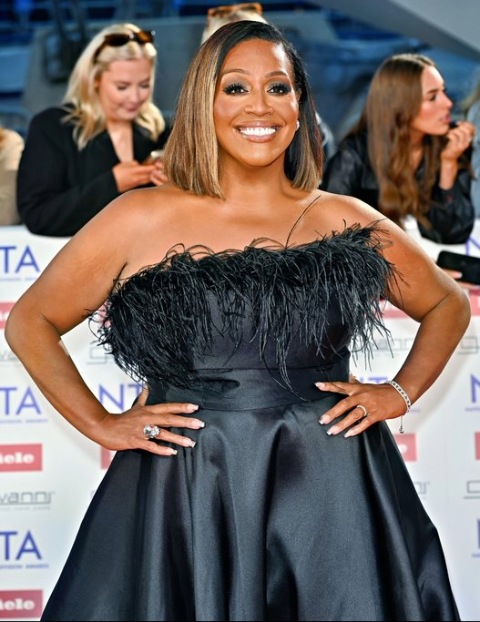
From the first season of Big Brother in 2002, we’ve seen people like Jade Goody and Alison Hammond become household names. But reality TV isn’t just about quick fame, it shapes how you’re seen in the public eye and is the foundation for a growing reputation.
Reality TV is a complex and compelling opportunity for both personal and business branding. Its power lies in the unique blend of authenticity, real-time engagement and entertainment, which opens the door to the major pitfalls of negative public scrutiny. For contestants willing to embrace transparency and connect through their sincerity and imperfections while managing risks, Reality TV remains a uniquely influential stage to shape and expand their public narrative beyond the screen.
Proceed with caution
This balanced dynamic is what continues to make reality TV a vibrant, if often unpredictable, platform for contemporary PR and branding. It is a communications channel that needs to be examined strategically and with an understanding of how the edit can work (both for and against your subject).
Most importantly expectations need to be realistic, the potential participant needs to be prepped and resilient and success metrics should be clear. It's not a channel that should be taken lightly and out outcomes cannot be guaranteed: More often than not the cons outweigh the pros.
Jacki Vause is an award-winning PR leader with more than 30 years in tech, gaming, and enterprise and an expert in PR strategy, crisis comms, and AI-driven media. CEO of Dimoso and co-founder of Global One Communications, Jacki is also a mentor, speaker, advocate for women in tech, and the host of the podcast The Rest Is PR - where pop culture meets PR.She previously wrote Taylor Swift just gave PR pros a masterclass in strategic empathy for Influence.
Further reading
Wicked’s real spell: The marketing of friendship
Gwyneth Paltrow, Ryan Reynolds and a very risky bet: Astronomer’s wild PR play