

Five neurodiversity TV shows for Neurodiversity Celebration Week
From 17 March, Neurodiversity Celebration Week shines a light on different brains. Whether you’re neurodivergent, know someone who is, or just want to learn more, here are five TV shows worth watching.
Patience, Channel 4
Ella Maisy Purvis stars as Patience Evans, an autistic police archivist whose keen pattern‑spotting helps crack cases. Purvis, herself autistic and who has ADHD, has said her lived experience informs her performance, and her insights makes the character way more believable than many similar portrayals. Throughout, it opens a window on how neurodivergent people can navigate social interactions, sensory differences, and the workplace – and has sparked both praise for its inclusive casting and discussions about how autism is portrayed onscreen. Also the Autism for Adults groups in which Patience and her peers discuss the strange things neurotypical people do is TV genius. Essential viewing for anyone interested in the subject.
I Swear, Netflix
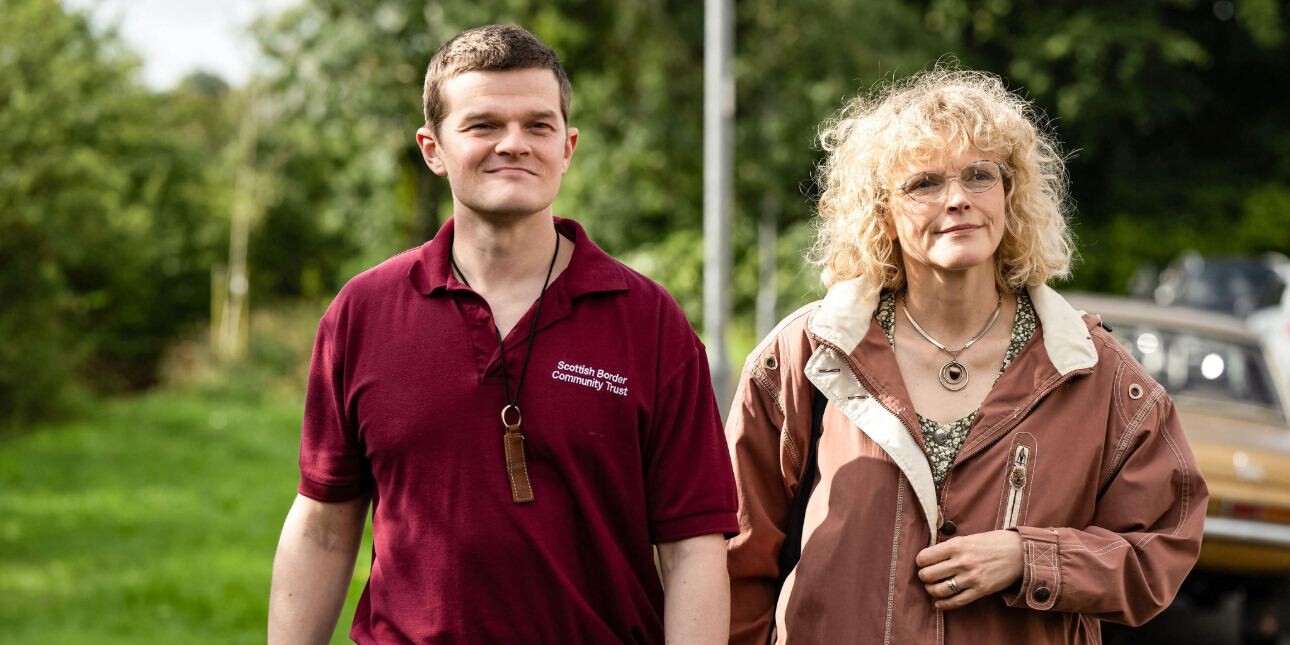
Viewers of a certain vintage may recall the original 1989 QED documentary John’s Not Mad about young Tourette’s sufferer John Davidson. The talk of the playground ever after, it was later ranked by British audiences as one of the 50 greatest documentaries. Directed by Kirk Jones and starring Robert Aramayo, this poignant, and often very funny biopic traces the campaigner’s story from his troubled adolescence in 1980s Galashiels, small-town Scotland, to being knighted by the Queen in 2019. The film, which won three Baftas including the best rising star and best actor gongs for Aramayo, does a fantastic job of capturing the reality of living with this much misunderstood neurological condition.
Inside Our Minds, BBC iPlayer
Presenter Chris Packham (himself diagnosed autistic in his 40s) takes a deeply empathetic and creative approach in this deeply rewarding, award-winning docuseries that allows neurodivergent people to tell their own stories through short films and first‑person experiences. This is now neurodivergence actually feels. Episodes explore autism, ADHD, and dyslexia, and include stories of a non-speaking man finding his voice, a rapper who can’t stand noise, and a singing builder following his dreams.
As We See It, Prime
This heartfelt US comedy‑drama follows three autistic twenty‑somethings – Jack, Harrison, and Violet – as they share a flat, look for work, make friends, and navigate love. All three leads are autistic actors, which, as with Patience, brings real depth to their performances and avoids many of the clichés that come with neurotypical casting. Laugh‑out‑loud scenes bump shoulders with genuinely moving moments, capturing autism's challenges alongside adulthood's humour, awkwardness, frustration, and joy.
Ready Eddie Go! Sky Kids
Narrated by Jodie Whittaker, this warm animated series centres on the eponymous six‑year‑old autistic boy exploring everyday life with curiosity, imagination and his own inventive problem‑solving. Inspired by the book series My Awesome Autism, the show has had significant neurodivergent input by everyone from voice actors to writers and animators, ensuring its portrayal feels honest and respectful. Each short episode turns little moments – whether a trip to the shops or a school project – into big emotional wins. It’s a brilliant choice for children (and adults) who want a view of neurodiversity rooted in authentic, often joyful experience.
Ali Catterall is an award-winning writer, journalist and filmmaker whose writing has featured in the Guardian, Time Out, GQ, Film4, Word magazine and the Big Issue, among many others. Ali is also the writer and director of the 2023 film Scala!!!
Further reading
Neurodivergence: nurturing the strengths of PR's hidden advantage
Is your unconscious bias rejecting neurodivergent job applicants?
PR with an ADHD brain: Why variety helps me thrive
Four excellent books about ADHD, autism, dyslexia, and dyspraxia