

What it takes to support a private member’s bill in the House of Lords
The CIPR's head of PR and policy describes the effort it took to introduce a new bill that addresses a significant gap in the current Lobbying Act by bringing in-house lobbyists within its scope for the first time.
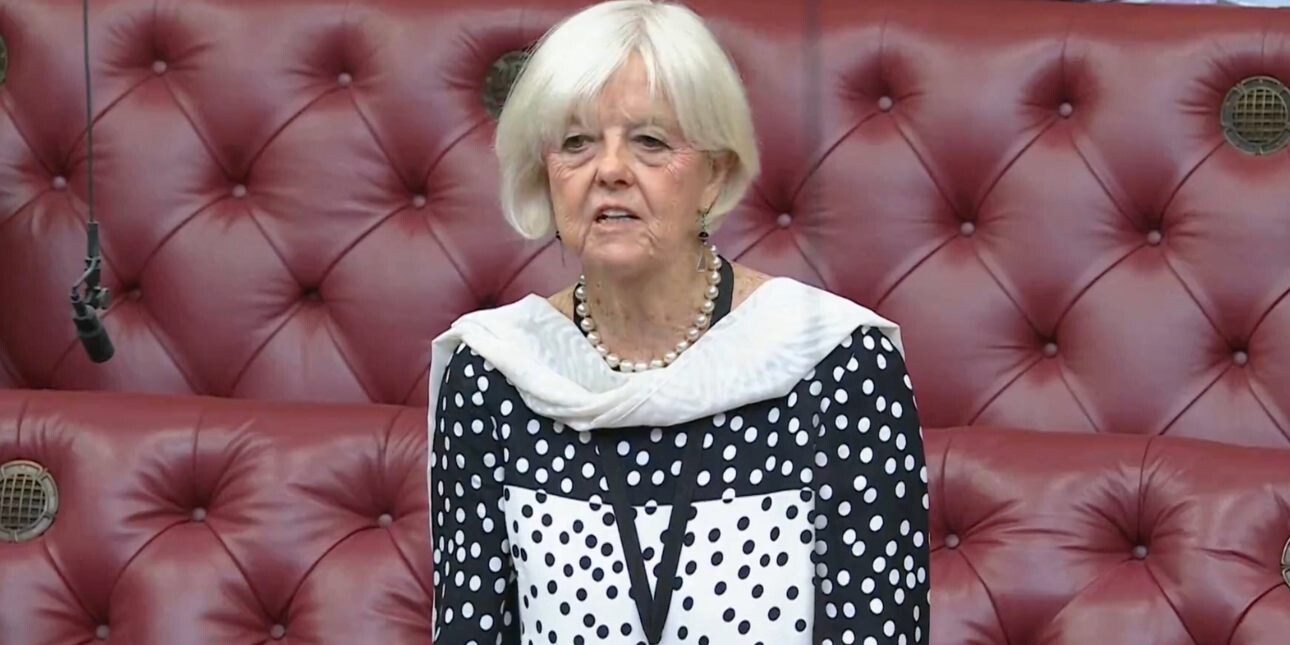
When Baroness Hayter took to the floor of the House of Lords to introduce a private member's bill to reform the Lobbying Act earlier this week, the moment itself lasted just a few seconds. What it took to get there was anything but brief.
The CIPR has been working alongside Baroness Hayter to support her bill and deliver work that sits in a corner of public affairs that is a well-established but underappreciated part of working in public affairs - providing counsel, expertise, and knowledge on a policy area to support a parliamentarian in achieving a policy aim. It is every bit as important as more visible forms of lobbying, even if it attracts less attention.
Why the CIPR is doing this
Lords do not have staff and the volume of work required to bring a private member’s bill from idea to introduction in a short space of time is significant. Without external support it is almost impossible to deliver.
Our relationship with Baroness Hayter began a year ago when she submitted a written parliamentary question referencing the CIPR's No Rules Britannia report. We've since worked together on questions, events, and meetings.
So when the idea of a private member’s bill emerged, it was a natural extension of an existing and trusted relationship. When her name was drawn first from the ballot, that trust became a working partnership. And the work really began.
What drafting private member’s bill actually involves
The drafting process is complex. Together with Baroness Hayter and our agency support, we worked through the bill line by line, in close consultation with the Public Bill Office to ensure it met all requirements around form and content.
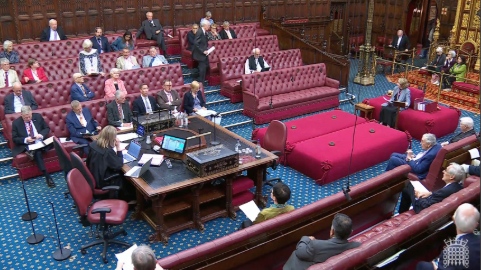
Screen grab: © Parliamentlive.tv / House of Lords
That meant hours of phone calls, dozens of emails, and difficult conversations about what was genuinely achievable within the constraints of what the bill is trying to achieve (expanding the scope of the lobbying register to in-house lobbyists) and within the limitations of the existing legislation.
The gap between a well-considered policy position and something that can be enacted in law is often larger than expected, and compromise is a constant feature of that process.
Some of the most contested areas included how to define in-house lobbying and the precise conditions under which registration would and would not be required.
Long conversations were had regarding how and if to capture the activity of board members, those in the public sector, and parliamentarians themselves. We also spent considerable time ensuring that provisions around declaring a relevant code of conduct applied equally to in-house and consultant lobbyists.
The bill addresses a significant gap in the current Lobbying Act by bringing in-house lobbyists within its scope for the first time. It is not a panacea and does not deliver the register of lobbying activity we believe is needed, nor does it fill in the loopholes identified in our Failure By Design report. But every word was painstakingly considered, and what has been delivered represents real progress within the constraints of what was possible.
Next steps
Drafting a tight bill is only the beginning. Building support for it is equally important. We have been mapping potential supporters within the Lords, drawing on records from the 2013 debates on the then Lobbying Bill to identify which MPs from that time are now in the upper chamber.
There has been media coverage as the timing of the bill has coincided with yet another significant lobbying scandal in the form of Peter Mandelson. Then, ahead of the bill's second reading, Baroness Hayter will also host the CIPR and the All Party Parliamentary Group (APPG) on anti-corruption for a member briefing event in the Lords.
This has been a steep learning curve. It is also a reflection of the trust the CIPR has built that we were asked to play this role at all. The bill's journey is far from over and there is no guarantee it succeeds, but we hope it marks a meaningful step toward the lobbying transparency that the public interest demands.

Chartered PR professional Jon Gerlis is the CIPR’s head of public relations and policy.
Further reading
Lobbying has changed: 'What you know is now more important than who you know'
Restricting FoI requests would nibble away at transparency
Channel 4’s Dirty Business raises issues of ethics for PR pros