

Move over matcha: ube and hojicha are the café trends to watch
From bright purple Filipino yams to bone broth lattes, here’s what’s brewing in the world of speciality coffee.
As coffee culture continues to evolve, the humble cup is becoming a playground for new flavours, ingredients and Instagram-friendly creations. From Japanese teas to Filipino yams and even bone broth, these are five trends making their way onto café menus.
1. Ube
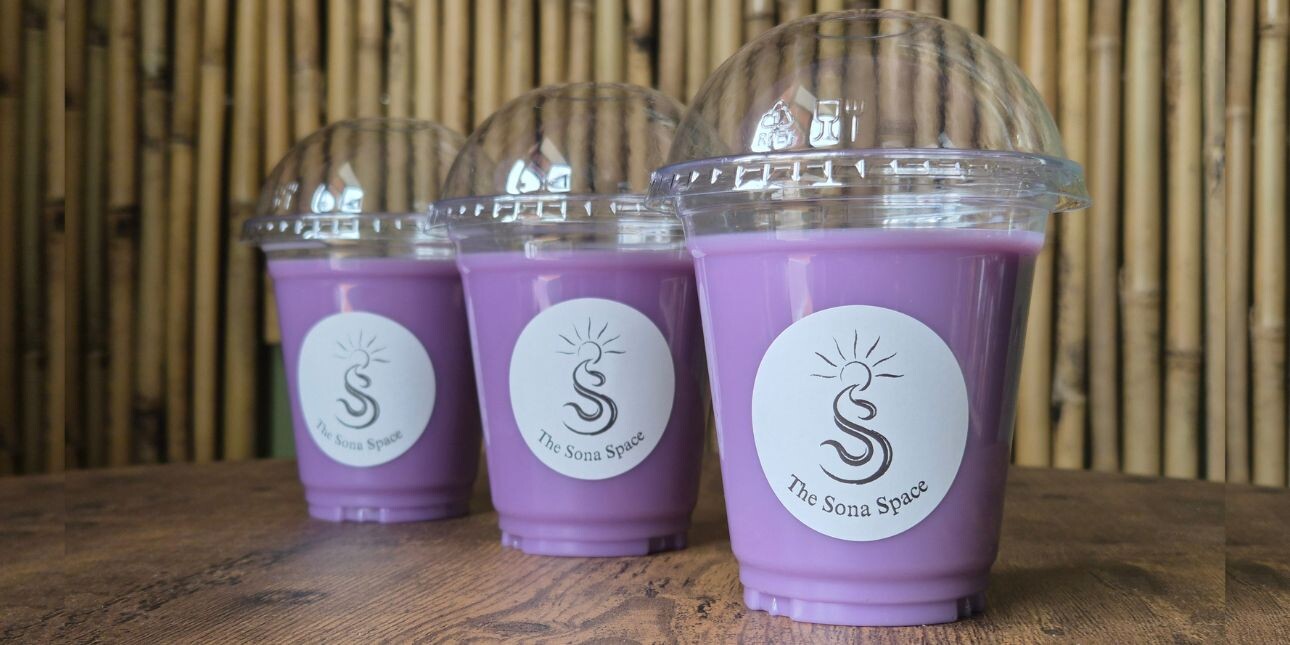
You may have spotted these luridly purple coffees doing the rounds on TikTok or even ordered one from Starbucks, Pret, or at local Filipino spots, like Mama Z Filipino Kitchen in Manchester or The Sona Space London, popping up on your way into work. The photogenic yam means that ube (pronounced “oo-beh”) more than lives up to its billing as the ‘new matcha’. It’s hardly a newcomer, though: ube has been a staple of Filipino cuisine for centuries. For ube-newbies, the flavour is nutty and starchy, somewhere between coconut and vanilla. Who knew that a tuber could be such a trendsetter?
2. Hojicha
This Japanese green tea comes from the same plant as matcha. But because it’s grown and processed differently – its leaves are roasted at high temperatures over charcoal rather than steamed – it has a smoother, nuttier flavour with far less bitterness and considerably less caffeine than its ubiquitous green cousin. It's proving popular among matcha and coffee drinkers; find it on the menu at Sick Coffee in Glasgow, Velvet Green Cafe in Swansea, and Juju Home in London. You won’t just find hojicha in your lattes, either. The tea is also turning up in cookies, brownies and other sweet treats. It may even have some health benefits. Hojicha contains polyphenols and the amino acid L-theanine, although claims around its effects on concentration and blood pressure should be treated with caution. We’ll drink to that.
3. Espresso Aegean Tonic
Like a booze-free hybrid of an espresso martini and gin and tonic, this drink is having a moment. Its distinctive taste comes from the sweetness and bitterness of the tonic water balancing the earthy notes of espresso. The drink is simple to make: pour Aegean tonic water into a tall glass filled with ice, then add a shot of espresso. Espresso tonics are believed to have been created by a barista in Scandinavia in the late-noughties, but the Aegean Tonic takes things a step further with notes of cucumber, basil and citrus. Add tongue-tingling bubbles and perfect-for-the-gram aesthetics – the espresso sits on top of the fizz like a velvety cloud – and this caffeinated concoction might, just might, catch on.
4. Kurogoma (black sesame) coffees
Another age-old Asian ingredient has become a newfound barista obsession. Black sesame is a dessert favourite in many parts of Asia, including Japan, where it's called kurogoma and is used in mochis and ice cream. Its inky hue is catnip for social media, while its bittersweet flavour is winning over coffee drinkers in the UK - including at Tsujiri, which has locations in Leeds, Liverpool, London and Manchester. Swap your caramel Frappuccino for a kurogoma, and you may get some nutritional benefits, too. Black sesame contains calcium, magnesium and potassium. Claims that it can help with everything from blood pressure to preventing grey hair, however, are another matter.
5. Bone Broth coffee (Broffee)
Bone broth has started to appear on menus at coffee shops such as London’s Elevate, while one Dorset-based company has even created a coffee version (Broffee). Made by simmering animal bones, usually beef or chicken, in filtered water, bone broth has taken off over the last year, partly thanks to its high collagen content (aka the protein that keeps our skin young-looking and is much loved by celebrities). It’s also a source of electrolytes, while umami-forward coffees are making an appearance, including cold brews topped with cheese foam and miso and ramen lattes. Call it a stock market that’s worth watching.
Christian Koch is an award-winning journalist, editor, content strategist, and brand consultant.
Further reading
Three of the best gallery restaurants for working lunches
Three of the best cafés to take literary-loving PR clients
Pancakes to prosecco: six must-try restaurants for a PR breakfast